

Semen can hardly be called a dessert, but taste still plays a significant role. At the very least, it influences whether a partner will want to continue oral sex (and, if so, whether she’ll enjoy it). And in some cases, taste can even be used to diagnose a problem.
Lifehacker has uncovered all the nuances of this delicate matter.
What determines the taste of sperm?
Sperm isn’t just a collection of sperm needed for conception. It’s a viscous cocktail of dozens of chemicals that the sperm coat along the way from their birthplace (the testicles) to their destination (the external opening of the urethra). You can see this journey in the image below.
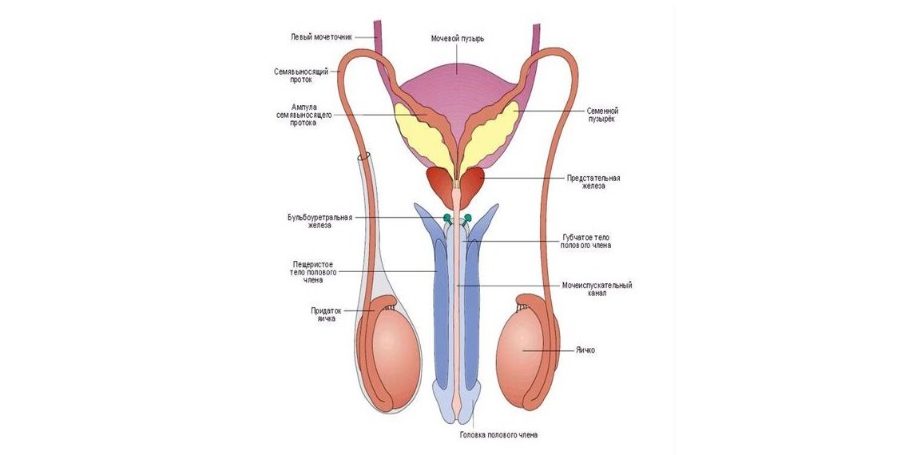
From the testicle, newly produced sperm enter the epididymis. This is a kind of reservoir where the body stores sperm until it’s needed—that is, until ejaculation. Here, the sperm is enriched with:
- Ergothioneine. This antioxidant is also produced in mushrooms, and we’re familiar with it from their taste. Ergothioneine gives semen the characteristic, slightly meaty flavor of raw mushrooms.
- Fructose. This type of sugar fuels sperm so they can carry out their vital mission. It also imparts a slight sweetness to the sperm.
When a man ejaculates, substances from the prostate gland and seminal vesicles also enter the semen.
The seminal vesicles add a variety of chemical compounds to this cocktail, including amino acids, citric acid, phosphorides, and potassium. And from the prostate, sperm receive zinc, calcium, sodium, potassium, and various enzymes.
All of these factors together give semen its flavor. Each man’s taste is unique, simply because the body secretes different, individual concentrations of chemicals into semen. For example, if a man experiences a potassium or calcium deficiency due to certain factors, the seminal fluid will contain less of them, which will affect the flavor.
Most often, a sperm cocktail is described as a combination of three impressions:
- bitter or salty – the alkaline environment is responsible for this taste;
- sweet – thanks to sugars;
- metallic – due to minerals and vitamins.
What foods change the taste of semen?
This is where science is somewhat confused. On the one hand, the foods we eat can indeed change the smell of sweat, saliva, breast milk, and other bodily fluids. On the other hand, there’s still no convincing evidence that food can affect the taste of semen. On the other hand, there are many people who claim to have personally confirmed that taste changes depending on diet.
The truth is likely somewhere in the middle. Even if diet doesn’t affect the characteristics of semen, it sometimes alters body odor. And since our sense of smell is closely linked to our taste buds, it may subjectively seem as if the taste has changed.
Here’s what’s supposed to make semen taste worse, giving it an unpleasant sulfuric and musky flavor:
- garlic;
- onion;
- broccoli;
- cabbage;
- asparagus;
- meat and dairy products;
- cheese;
- coffee.
These foods, on the contrary, make sperm more pleasant:
- oranges, tangerines and other sweet citrus fruits;
- pineapple;
- papaya;
- celery;
- parsley;
- cinnamon;
- nutmeg.
What diseases change the taste of sperm?
If semen tastes sweet, it may indicate hyperglycemia—high blood sugar levels. This condition is most often seen in diabetes.
Furthermore, lifestyle—in particular, smoking and alcohol—affects semen. These unhealthy habits alter the composition of semen, which affects its taste: it becomes harsh and bitter.
The taste sensation can also be altered by illnesses in the person tasting the semen. This is because some illnesses affect the sensitivity of taste buds. Here are some:
- respiratory diseases, that is, those that affect the respiratory tract, from the common cold to bronchitis;
- middle ear infections;
- cavities and other diseases of teeth and gums;
- recent surgery in the facial area;
- head and spinal cord injuries.
So if you don’t like the taste of sperm, the problem may not be with the owner, but with the recipient.
But in any case, let’s remember the key point. The phrase “I don’t like it,” uttered by either partner, is enough to forego oral sex altogether, engage in it with a condom, or at least hold back ejaculation, preventing sperm from entering the mouth. No one is obligated to like the taste. Even if you’ve eaten your fill of pineapple.
Leave a Reply